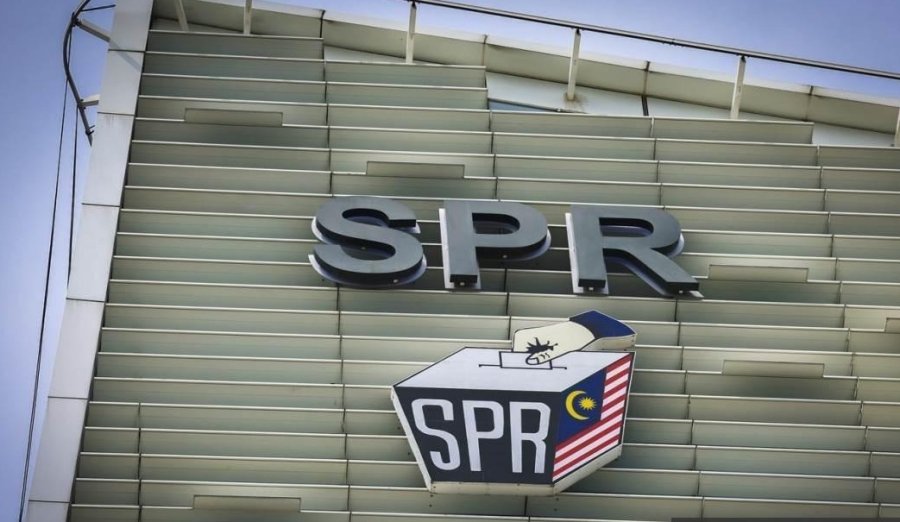
一份只需国会简单多数即可通过的方案,就可消除马来西亚最严重的选票值差距——前提是选举委员会立即启动。
在雪兰莪州,沙白安南选民在国会中的发言权大约是万宜选民6倍。在全国范围内,最大的选区选民人数大约是最小选区的十倍。这不是一人一票。这一问题可以在下届大选前得到修复,既无需修改宪法,也不会使任何州属失去任何一个议席。
机会之窗现已打开。宪法规定西马每八年重新划分选区边界的冻结期已于2026年3月结束,沙巴和砂拉越的冻结期也已届满。但时间紧迫。每一步都必须在国会为第16届大选解散前完成。如果未能完成,下届大选将继续沿用2018年的选区划分。
摘要
问题所在:部分选民的选票价值是其他人的六倍,即使在同一州属内也是如此。
修复方案:重新划分边界,使任何选区的选民人数不会高于或低于该州平均选民人数的三分之一。
所需条件:国会下议院的简单多数通过。无需修改宪法,也没有州属会失去议席。
最后期限:选举委员会的报告必须在国会解散前获得批准,国会最迟将于2027年12月19日自动解散。
1. 问题所在
雪兰莪州的万宜拥有超过30万名选民。同一州内的沙白安南则只有约5万1000名选民。因此,在沙白安南投下的一票,其价值大约是在万宜投下的一票的六倍。
人口增长、人口向城市迁移以及18岁投票改革——即自动选民登记和18岁投票权——增加了数百万新选民,其中大部分集中在万宜和白沙罗等快速增长的市镇选区。2018年的选区边界并非为这些选民结构而设计。其结果是形成了一幅“居住地决定选票价值”的地图。
2. 为什么这对每位马来西亚人都有关系
平等的发言权:每位公民的选票应具有大致相同的份量。如今这却取决于你的邮政编码。
公平竞争:倾斜的选区边界使得政党能够以无法反映民意的方式赢得过半席位,长久以来一直引发选区不公划分的质疑。明确且公开的规则会使政治操弄变得困难得多。
更好的服务与更公平的支出:一名国会议员无法妥善服务30万名选民。代表性过高的地区也会吸引不成比例的政治关注和公共资金。
对选举的信任:透明且基于数据的审查能重建对选举委员会的信任,并给予年轻和首次投票的选民一个出投票的理由。
3. 方案:在各州内实施“三分之一规则”
联邦宪法第十三附表第2(c)条已规定,一州之内各选区的选民人数应大致相等,同时允许为难以到达的乡村地区给予一定的额外权重。本方案为该原则赋予了一个可衡量的目标:
没有州属增加或减少议席:玻璃市保持3席,彭亨保持14席,雪兰莪保持22席。
计算每个州属每个席位的平均选民人数。
重新划分边界:使每个席位的选民人数落在该平均值的“三分之一(±33%)”范围内,并在地理条件允许的情况下争取达到±25%。乡村权重依然保留,但限制在明确的界限内。
计算示例:雪兰莪州
雪兰莪州拥有22个国会席位,平均每个席位约有16.7万名选民。在三分之一规则下,每个席位的选民人数需介于约11.1万至22.2万人之间。
拥有超过30万名选民的万宜,高出该州平均值约80%,必须进行缩减。拥有约5.1万名选民的沙白安南,低于平均值约69%,则必须进行扩展。做出这些调整以及全州范围内的类似调整,将使雪兰莪州的每个席位都进入可合理的范围内。
4. 为什么这合法且在政治上可行
仅需简单多数:重新划分各州内部的边界,只需在国会下议院以简单多数通过选举委员会的报告即可。2018年的报告就是以这种方式通过的。
无需修改宪法:改变分配给各州的席位数量意味著需要修改第46条文,这需要三分之二的多数(222名议员中的148名)。本方案完全不触及第46条文。
时间符合法律规定:第113条文允许自上次审查起八年过去后进行审查,并要求在两年内完成。西马的冻结期已于2026年3月结束。
此前曾以相同速度完成过:上一次西马审查于2016年启动,从开始到获得下议院批准大约用了18个月。
算术可行,宪法允许,时间表也切实可行。目前唯独缺乏的就是启动的决定。
5. 沙巴和砂拉越:相辅相成,而非竞争
联邦政府已原则上同意,根据《1963年马来西亚协定》(MA63),恢复沙巴和砂拉越占国会下议院三分之一席位的地位,并已与选举委员会展开谈判。这是一条单独的轨道:增加席位需要以三分之二多数修改第46条文,并进行广泛谘询。
这两项改革应平行进行。解决各州内部的差距并不取决于MA63席位谈判的结果,绝不能因为这些谈判仍在继续而延误。
6. 时间表
现在至2026年12月:选举委员会正式通知下议院议长和首相。首批拟定的地图将刊登宪报并公开展出一个月。
2027年1月至3月:第一轮地方听证会听取反对意见。
2027年4月至6月:在合理的情况下,委员会修订地图;如有修订,将进行第二次为期一个月的展出。
2027年7月至9月:举行第二轮地方听证会,委员会向首相提交最终报告。
2027年10月至11月:报告在预算案会期提出,并以简单多数通过。
解散前:使新边界生效的命令已制定并颁布宪报。如果未提前解散,国会将于2027年12月19日自动解散。这是最后的死线。
这份时间表很紧凑,但只要选委会在2026年底前开始,且国会在报告通过前不解散,就是可以实现的。
7. 回应批评者的质疑
“这是不是太仓促了?”
宪法给予两年时间。本方案使用约18个月,与上次西马审查的时间一致,并保留了法律要求的每一次公开展出和听证步骤。
“那乡村选民怎么办?”
如宪法原意所述,乡村权重依然保留。三分之一规则只是为其设定上限,使权重不至于扭曲成六比一的程度。
“这是否解决了州与州之间的差距?”
并没有完全解决,我们应该坦白说明这一点。州与州之间的不平衡需要修改第46条文和三分之二的多数票。本方案作为第一步,是利用现有的选票来修复当前最严重的扭曲。
“谁在政治上受益?”
选民受益,国家也是。一些原本安全的安全区将变得有竞争力,这也是为什么各党派的现任议员都可能反对的原因。实行一套适用于每个州属、公开且统一的规则,是保证中立的最佳屏障。
8. 行动呼吁
致选举委员会:在2026年底前正式启动审查,并公开目标变异值以及每个拟定席位的数据。
致首相:承诺及时提出最终报告,并承诺在做出决定前不解散国会。
致所有国会议员及政党:公开承诺支持各州内部进行公平的重新调整,无论这对您自己的席位有何影响。
致公民社会、媒体和选民:关注展出期间,在边界不公之处提出反对,并询问您的国会议员立场为何。
在第16届大选前实现更公平的选区划分指日可待。所需要的只是启动它的政治意愿
林德宜<一人一票:选区划分行动方案> 原文:A Fair Election Map Before GE16 :One Person, One Vote: A Redelineation Action Proposal
A plan, needing only a simple majority in Parliament, to end the worst vote-value gaps in Malaysia — if the Election Commission starts now.
In Selangor, a voter in Sabak Bernam has roughly six times the say in who goes to Parliament as a voter in Bangi. Nationally, the largest constituency has about ten times as many voters as the smallest. That is not one person, one vote. It can be fixed before the next general election, without amending the Constitution and without any state losing a single seat.
The window is open now. The eight-year constitutional freeze on redrawing Peninsular boundaries ended in March 2026, and the Sabah and Sarawak freezes have also lapsed. But time is short. Every step must be completed before Parliament is dissolved for GE16. If it is not, the next election will be fought on the 2018 map.
Summary
The problem. Some voters’ ballots count six times more than others’, even within the same state.
The fix. Redraw boundaries so that no constituency is more than one-third above or below its state’s average number of voters.
What it needs. A simple majority in the Dewan Rakyat. No constitutional amendment is required, and no state loses a seat.
The deadline. The Election Commission’s report must be approved before Parliament is dissolved, which will happen automatically on 19 December 2027 at the very latest.
1. The problem
Bangi, in Selangor, has more than 300,000 voters. Sabak Bernam, in the same state, has about 51,000. A vote cast in Sabak Bernam is therefore worth roughly six times as much as one cast in Bangi.
Population growth, urban migration and the Undi18 reforms — automatic voter registration and a voting age of 18 — added millions of new voters, most of them in fast-growing urban and suburban seats such as Bangi and Damansara. The 2018 boundaries were not drawn for this electorate. The result is a map in which where you live decides how much your vote is worth.
2. Why it matters to every Malaysian
Equal voice. Every citizen’s ballot should carry roughly the same weight. Today it depends on your postcode.
Fair competition. Lopsided boundaries let parties win majorities that do not reflect how people voted, and have long fed suspicion of gerrymandering. Clear, published rules make manipulation much harder.
Better service and fairer spending. One MP cannot properly serve 300,000 constituents. Over-represented areas also attract a disproportionate share of political attention and public money.
Trust in elections. A transparent, data-driven review rebuilds confidence in the Election Commission and gives young and first-time voters a reason to turn out.
3. The plan: the one-third rule, applied within each state
Section 2(c) of the Thirteenth Schedule to the Federal Constitution already provides that the number of electors in each constituency within a state ought to be approximately equal, while allowing some extra weight for rural areas that are harder to reach. This plan gives that principle a measurable target:
No state gains or loses seats. Perlis keeps 3, Pahang keeps 14 and Selangor keeps 22.
Calculate each state’s average number of voters per seat.
Redraw boundaries so that every seat falls within one-third (±33%) of that average, aiming for ±25% wherever geography allows. Rural weightage stays, but within a defined limit.
Worked example: Selangor
Selangor’s 22 parliamentary seats average about 167,000 voters each. Under the one-third rule, every seat would need to fall between roughly 111,000 and 222,000 voters.
Bangi, with more than 300,000 voters, is about 80% above the state average and would have to shrink. Sabak Bernam, with about 51,000, is about 69% below the average and would have to grow. Making these adjustments, and similar ones across the state, brings every Selangor seat into a defensible range.
4. Why this is legal and politically passable
Simple majority only. Redrawing boundaries within each state needs only a simple majority to approve the Election Commission’s report in the Dewan Rakyat. The 2018 report was passed this way.
No constitutional amendment. Changing the number of seats allocated to each state means amending Article 46, which requires a two-thirds majority (148 of 222 MPs). This plan leaves Article 46 untouched.
The timing is lawful. Article 113 allows a review once eight years have passed since the last one and requires it to be completed within two years. The Peninsular freeze ended in March 2026.
It has been done this quickly before. The previous Peninsular review, begun in 2016, went from start to Dewan Rakyat approval in roughly 18 months.
The arithmetic works, the Constitution allows it, and the timeline is viable. What is missing is the decision to start.
5. Sabah and Sarawak: complementary, not competing
The Federal Government has agreed in principle to restore Sabah and Sarawak to one-third of Dewan Rakyat seats, in line with the Malaysia Agreement 1963 (MA63), and talks with the Election Commission have begun. That is a separate track: adding seats requires amending Article 46 by a two-thirds majority, as well as wide consultation.
The two reforms should run in parallel. Fixing the gaps within each state does not depend on the outcome of the MA63 seat talks, and it must not be delayed while those talks continue.
6. The timetable
Now to December 2026. The Election Commission formally notifies the Speaker and the Prime Minister. The first proposed maps are gazetted and put on public display for one month.
January to March 2027. The first round of local enquiries hears objections.
April to June 2027. The Commission revises the maps where justified, followed by a second one-month display if revisions are made.
July to September 2027. A second round of local enquiries is held, and the Commission submits its final report to the Prime Minister.
October to November 2027. The report is tabled at the Budget sitting and passed by a simple majority.
Before dissolution. The order giving effect to the new boundaries is made and gazetted. Parliament dissolves automatically on 19 December 2027 if it is not dissolved earlier. This is the hard stop.
The schedule is tight but achievable, provided the Commission begins before the end of 2026 and Parliament is not dissolved before the report is passed.
7. Answering the critics
“Isn’t this too rushed?”
The Constitution allows two years. This plan uses about 18 months, matching the last Peninsular review, and keeps every public display and enquiry step required by law.
“What about rural voters?”
Rural weightage remains, as the Constitution intends. The one-third rule simply caps it, so that weightage cannot become a six-to-one distortion.
“Does this fix the gaps between states?”
Not fully, and we should say so plainly. Imbalances between states need an Article 46 amendment and a two-thirds majority. This plan fixes the worst distortions now, with the votes that exist today, as a first step.
“Who benefits politically?”
Voters do, and so does the nation. Some safe seats will become competitive, which is why incumbents of every party may object. A published, uniform rule applied to every state is the best guarantee of neutrality.
8. Call to action
To the Election Commission: formally begin the review before the end of 2026, and publish the target variance and the data for every proposed seat.
To the Prime Minister: commit to tabling the final report promptly and to not dissolving Parliament before it is decided.
To all MPs and political parties: pledge publicly to support a fair realignment within each state, whatever its effect on your own seat.
To civil society, the media and voters: follow the display periods, file objections where boundaries are unfair, and ask your MP where they stand.
A fairer map before GE16 is within reach. All it takes is the political will to begin.
本文观点,不代表《东方日报》立场。

公共政策分析学者


