
在俄乌战争可能达成和平协议的漫长谈判中,近期出现的两项发展,显示欧盟国家正一步步将自身推向一个更加危险、不稳定的未来。
第一项发展,是欧盟内部在如何于战后应对俄罗斯问题上,分歧日益加深。2025年12月19日在比利时布鲁塞尔举行的欧盟峰会上,欧盟领袖未能就动用遭冻结的俄罗斯资产本金(约2100亿欧元/约1兆令吉)为乌克兰2026年与2027年度预算提供资金达成共识,最终仅同意推出一项900亿欧元/4289亿令吉的贷款方案。
原先提出的“战争赔偿式贷款”构想——即以冻结的俄罗斯资产作为贷款担保——在比利时领头反对下宣告破局。比利时首相德韦弗指出,此举涉及极高的法律风险,若俄罗斯在国际法庭成功起诉欧洲清算银行(Euroclear),恐引发一场如“铁达尼号”般的金融体制崩溃。
值得注意的是,在这项决定中,联盟内的“大国”,尤其是德国与法国,未能说服少数持怀疑态度的成员国,接受那些可能被解读为升高战事、或破坏和平解决前景的措施。
这对德国总理默茨而言尤为沉重打击。由于其对俄罗斯采取强硬、进攻性的立场,他一向被视为对俄政策上的“鹰派”。
德国对俄立场与欧盟走向
自上任以来,默茨已彻底扭转前任总理肖尔茨奉行的接触政策,转而采取明确的反俄立场。至2025年底,其主要立场包括:
● 武器化俄罗斯资产:默茨是推动欧盟动用冻结俄罗斯资产,为乌克兰防务贷款融资的最主要倡议者。
● “不再处于和平状态”:公开表示,欧洲虽未正式与俄罗斯交战,但“已不再处于和平状态”。
● 打造欧盟最强军队:誓言建立欧盟“最强大的常规军队”,以遏制俄罗斯的侵略。
● 对抗混合式威胁:警告俄罗斯对其他欧洲国家,特别是前苏联国家构成直接威胁,尽管目前并无相关证据。
近期军事举措
截至2025年12月,默茨已主导多项重大军事升级行动:
● 国防开支:德国计划投入高达1兆欧元/4.77兆令吉,用于军备与军事现代化。
● 德军进驻乌克兰:默茨近期提出,德国军队可参与一个联盟,负责维持乌克兰的非军事区,并授权其“反击俄罗斯入侵行为”。
● 波罗的海防卫:德国承诺向立陶宛部署2000名士兵,以强化北约东翼防线。
法国立场摇摆
第二项发展,来自法国总统马克龙于2025年12月18日的表态。他呼吁欧洲重新战略性检视如何应对乌克兰战争的结束,并主张欧洲领袖应与普京建立直接沟通管道。
在布鲁塞尔就欧盟资助乌克兰的决定发言时,马克龙表示:“要嘛我们能达成一个稳健且持久的和平,并附带必要的安全保证;否则,在未来数周内,欧洲人必须找到方式,在完全透明的情况下,重新与俄罗斯展开实质对话。”
法国对俄乌战争的回应,深受国内国防工业游说势力影响,呈现反复摇摆的特征。2022年2月俄罗斯入侵乌克兰,意图确保克里米亚地区控制权后(多数独立观察者认为这是普京发动“特别军事行动”的核心动机),马克龙一度试图以外交方式解决冲突。
然而,马克龙在2024年初放弃了鸽派立场,转而成为乌克兰最积极、最高调的支持者之一。这一“鹰派”转向,建立在一个战略目标之上——“俄罗斯不能在乌克兰获胜”,而欧洲安全取决于阻止俄罗斯胜出。
马克龙自2024年初以来的强硬立场
● 不排除派遣地面部队:拒绝排除向乌克兰派遣地面部队的可能。
● 允许攻击俄罗斯本土:授权乌克兰使用法国提供的飞弹,攻击俄罗斯境内的军事目标。
● 修辞转向:不再呼吁早前提及的“不要羞辱俄罗斯”,改以“对手”形容克里姆林宫政权。
● 增加军援与训练:承诺大幅军事援助,并加强对乌克兰士兵的训练。
马克龙宣称,近期法国立场的调整——也是他希望欧盟能采取的方向——旨在确保欧盟不会在美国主导的谈判中被边缘化。
然而,更为犬儒的解读是:在成功与泽连斯基达成一项庞大的军备采购意向协议后,马克龙希望在2027年4月卸任前,进一步包装自己作为全球关键领袖的形象。这份于2025年11月17日签署的意向书,潜在合约总值估计介于150亿至250 亿欧元之间/715亿令吉至1191亿令吉之间,且仍可能进一步扩大。
如今,马克龙已确保法国在泽连斯基为“战后乌克兰”精心准备的军事采购盛宴中占据显要席位,对他而言,塑造自己为和平主义者或调停者,反而更为有利。尽管在特朗普主政下的美国,无疑将坐上餐桌主位,但法国势必会全力争夺第二把交椅。
欧盟未来对俄关系
从上述两项发展可清楚看出,欧盟未来与俄罗斯的关系,仍将深受27个成员国中最强势、最具影响力国家领导人的政治与个人利益所左右。
依照近期走向,这段关系极可能持续对立,其特征将是深层不信任、长期制裁,以及更高程度的军事化——这既源于欧盟内部利益,也来自美国这个北约最重要成员的压力。对欧盟而言,美国仍是其安全体系的“脐带”。
高度关键的是,匈牙利总理欧尔班已就欧盟向乌克兰提供贷款发出警告:“要让这笔钱有机会收回,前提是俄罗斯必须被击败。这不是和平的逻辑,而是战争的逻辑。战争贷款必然使出资者对战事延续与升级产生利益关联,因为失败同时意味著财务损失。”
欧盟似乎为其选民“赢得的胜利”,并非一个更强大、更和平、更具战略自主性的欧洲。
相反,它可能是一个内部凝聚力削弱、成员国在对俄制裁与对乌支持上立场分歧加深的欧盟。从本质上看,我们正走向一种长期的战略竞争与围堵现实,而非与俄罗斯的和解。而在这样的未来里,欧洲公民不仅要承担跨世代的财政负担,还将面对一个更加危险、更加不稳定的世界。
林德宜《乌克兰战后盛宴》原文:Feasting In The Ukraine War Aftermath
Two developments related to the protracted negotiations taking place on a possible peace settlement in the Ukraine Russia war show how the European Union countries are boxing themselves into a more precarious future.
One is evidence of the growing internal division over how to deal with Russia in the aftermath of the war. In a summit in Brussels on December 19, 2025, EU leaders, after failing to reach a consensus on tapping the principal of frozen Russian assets (approximately €210 billion) to fund Ukraine's budget for 2026 and 2027, agreed instead to a €90 billion loan package.
The original target of a "reparations loan" proposal - using the frozen assets as collateral -collapsed due to resistance led by Belgium. Prime Minister Bart De Wever cited extreme legal risks and the potential for a "Titanic-like" collapse of financial stability if Russia successfully sued Euroclear in international courts.
What is notable about the decision is that the big boys in the alliance, notably Germany and France, failed to convince the minority skeptics of the necessity for measures that could be interpreted as escalating the war or dooming a peaceful resolution.
It is especially a blow to German Chancellor Friedrich Mertz, characterized as a "hawk", due to his aggressive hardline policy toward Russia.
German Stance on Russia and the EU
Since his appointment, Merz has fundamentally shifted Germany's foreign policy from one of engagement pursued by his predecessor, Olaf Schotz, to an anti Russia position. His key positions in late 2025 include:
● Weaponizing Russian Assets: Merz has been the primary advocate for an EU plan to use frozen Russian assets to finance a loan for Ukraine’s defense
● “No Longer at Peace": Merz has stated that while Europe is not formally at war, it is "no longer at peace" with Russia.
● Strongest Army in the EU: He has vowed to build the EU’s "strongest conventional army" to serve as a deterrent against Russian aggression.
● Countering Hybrid Threats: He has warned that Russia poses a direct threat to other European nations, particularly former Soviet states, although there is no evidence.
Recent Military Initiatives
As of December 2025, Merz has overseen significant military escalations:
● Defense Spending: Germany is planning a massive €1 trillion investment in armament and modernization.
● Troops in Ukraine: Merz recently suggested that German troops could participate in a coalition to secure a demilitarized zone in Ukraine, authorizing them to "retaliate against Russian incursions".
● Baltic Defense: Germany is committed to deploying 2,000 troops to Lithuania to strengthen NATO’s eastern flank.
French Flipflopping
The second development is linked to the call by French President Emmanuel Macron on 18 December 2025 for a strategic reassessment of how Europe handles the end of the Ukraine war and for European leaders to establish a direct line of communication with Vladimir Putin.
Speaking in Brussels following the EU decision to fund Ukraine, he said: “Either a robust and lasting peace is reached, with the required (security) guarantees, or we will need in the weeks ahead to find ways for Europeans to re-engage in a fulsome dialogue with Russia, and in complete transparency.”
Flip flopping influenced by French defence industry lobbies has marked France's response to the war in Ukraine. Soon after Russia’s invasion in February 2022 to secure the Crimea region which, according to most independent observers, was Putin’s main rationale for the Russian “special operation“, Macron sought to help resolve the conflict diplomatically.
However, this dovish position was abandoned in early 2024 when he shifted to become one of Ukraine's most vocal and supportive allies. The "hawk" position was characterized by a strategic objective that "Russia cannot win in Ukraine" and that European security depends on preventing a Russian victory.
Macron's Hard Line Position Since Early 2024
● Not Ruling Out Ground Troops: The most notable element of Macron's new approach was his refusal to rule out sending Western ground troops to Ukraine.
● Permitting Strikes on Russian Soil: France granted Ukraine permission to use French-supplied missiles to strike military targets within Russian territory.
● Rhetorical Shift: Macron moved away from his earlier advice not to "humiliate Russia" and has instead described the Kremlin regime as an "adversary".
● Increased Aid and Training: France has pledged substantial military aid and committed to training Ukrainian soldiers.
Macron has asserted that the latest change in French position - and what he hopes will be the EU stance - towards a more conciliatory approach to Russia is aimed at ensuring that the EU will not be sidelined by US-led negotiation.
A more cynical view is that Macron, following the successful conclusion of a massive military armament procurement agreement with Zelensky, now wants to embellish his standing as an influential global leader before he leaves office in April 2027. The total value of the potential contracts under this letter of intent signed on November 17, 2025 is estimated between €15billion and €25 billion, but can be considerably more.
Now that Macron has secured for France a prominent seat at the military procurement buffet table which Zelensky has been busy preparing for a post war Ukraine, it appears more to Macron's advantage to be seen as a pacifist or peace maker rather. Although the US under Trump will undoubtedly be at the head of the buffet table, France will be jostling for second place.
EU Future Relationship With Russia
What is clear from these two developments is that the EUs future relationship with Russia will remain strongly influenced by the leaders of the strongest and most influential nations in the 27 member organization, and their political and personal interests.
Given its recent trajectory, this relationship is likely to remain adversarial, characterized by deep mistrust, sustained sanctions, and greater levels of militarization due to both internal interests and pressure from the United States, the most important member of NATO, with which the EU is attached to as its security umbilical cord.
What is highly significant is that Hungarian President, Orban Victor, has sounded the following alarm on the EU loan to Ukraine
For this money to ever be recovered, Russia would have to be defeated. That is not the logic of peace but the logic of war. A war loan inevitably makes its financiers interested in the continuation and escalation of the conflict, because defeat would also mean a financial loss.
The victory that the EU appears to be winning for their constituencies is not of a stronger, more peaceful and more strategically autonomous Europe.
Rather it will be one in which EU cohesion and unity among member states on sanctions against Russia and support for Ukraine is uncertain. In essence, we can expect a new, long-term reality of strategic competition and containment, rather than reconciliation with Russia. It is also one in which their citizenry will not only have to bear a generational financial burden. They will be facing a more dangerous and unstable future.
本文观点,不代表《东方日报》立场。
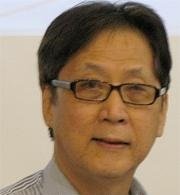
公共政策分析学者


