
东西方专制传统存在著巨大差异,基本在于东方的专制缺乏强有力宗教的分权和制衡。
中国的传统政权虽然有附属于原始自然宗教以及随后道教的“玉皇大帝”坐镇天庭,但这模糊抽像的玉皇大帝并无实权,其身边文官武将也都来自人间,如八仙过海的“八仙”,托塔天王李靖等,仿佛这些文官武将就像周朝后半期的强大诸侯国,不再听命于周天子,玉皇大帝成了傀儡,对人间的皇帝无约束权,更没有与皇帝分权的道德权限。周朝八百年的前半期“普天之下,莫非王土”的概念,到了后半期,随著诸侯国人口增长、势力强盛以及土地税收自理之后,也从国土原属于周天子而散落诸侯各地,周天子也成了无权的傀儡。
中国的专制传统
周朝后半期因为没有中央集权制,由此曾经出现过“百家争鸣、百花齐放”的思想自由时代。然而自秦始皇统一华夏之后,东方以中国为典型代表的专制传统于是诞生了。中国此后两千年的历史中,除了偶发的短暂思想自由期之外,真正的“百家争鸣、百花齐放”的思想自由就不再出现。
秦朝废除了封建领主制而采用了中央集权制,皇帝的“天子”身份,权力来自具有统治一切“天命”的神权,权力高度于是高度集中。废除封建领主制后,皇帝便拥有对土地和人民的绝对支配权,既有绝对权力,又具有神圣性。秦始皇死后不到100年,汉武帝又将中国帝制强化。汉武帝罢黜百家和独崇儒术,让皇帝从儒家强调忠君及等级思想中得到道德制高点的大力扶持,从此高度集中的皇权获得进一步巩固。
儒家统治的道德基础主要依赖于其三纲五常,忠诚、孝道等价值观,强调君臣、父子、长幼辈分各种等级秩序,来维持社会稳定。朝廷虽偶尔设有谏议大夫,依靠儒家伦理的道德约束来规劝皇帝,但多数时候当皇上坚持己见时,谏议大夫只能放弃以保住脑袋。
在实践上,中国皇帝是否使用其至尊权位,视皇帝内心刚柔而定,因而时强时弱。强时类似暴君,弱时类似五代时曾脱下龙袍,舍身出家又还俗的悲天悯人梁武帝。到了明代,强势的开国君主朱元璋,再一度加强君权。朱元璋不认同《孟子·尽心章》中“民为贵,社稷次之,君为轻”的阐述。尽管在实际操作下民在皇帝眼中,向来是易受宰割又无权无地位的老百姓,而孟子竟然把人民放在第一位,国家其次,君在最后,贬低了皇帝的威严和否定了君权的神圣地位。
朱元璋也就令人修订过《孟子》,删去了其中“民为贵,社稷次之,君为轻”等字眼。在朱元璋眼里,民包括文臣武将,为了避免文臣武将图谋不轨,他必须动用皇权镇压。朱元璋还启用八股文科举考试,是明朝钳制思想的标志性行动。清承明制,专制传统也就延续到1911年清朝宣告灭亡为止。
从秦始皇到清宣统末代皇帝的两千多年,孟子“民为贵”的概念,没有一天实施过。中国式的民主概念可能曾出现过萌芽,但从未形成对社会有影响力的运动,也没出现过真正对人民有启蒙作用的民主思潮。而模糊的“人民”概念却经常被接下来的政治运动所利用。
基督教的西方专制传统
与中国模糊又无实权的天庭玉皇大帝相比,欧洲基督教的上帝既有实权还能影响人间封建国王和百姓。基督教的兴起,从四世纪罗马帝国的君士坦丁皇帝颁布基督教为国教伊始。早期欧洲各帝国的专制政体,虽然出现过暴君或专制君主,但像罗马帝国却设有元老院,在一定程度上牵制罗马皇帝的行为。纵使罗马皇帝也曾挤压抗拒元老院,但元老院作为一个体制长期存在,起到制衡罗马皇帝的作用。
从公元5世纪到15世纪,欧洲经历长达千年的中古时期,以罗马教皇为中心的基督神权一直扮演著制约封建王权的功能,神权基本分享国王一大部分权力,尽管罗马天主教会也曾经腐败不堪。16世纪文艺复兴开始,出于对已趋向腐败的天主教神权的挑战,以及对理性科学知识的追求,宗教改革蓬勃发展,教会反过来逐渐受到开始兴起的资产阶级革命的制约。
18世纪后半叶,随著工业革命资产阶级的崛起以及19世纪出现的社会主义思潮,各种“天赋人权”、“人人生而平等”和“社会契约”等带有现代民主的理论不断涌现,犹如巨浪般向君权和神权冲击,起到对王权的制衡甚至给它带来灭顶之灾。到了20世纪中叶,欧洲封建王朝大部分已被消灭,剩下只是象征式的王室家庭而已。
欧洲与中国人民受各自专制传统影响
从上文我们看出,源远流长的中国帝制,虽在1911年结束,但这个不受法律、宗教和世俗力量制约的专制帝制,对后世特别是社会中低层的影响极深且巨。1912年到1949年,神州大地没有经历西欧模式的资本主义,人民从未经历多党民选制,人口中仍然以农民、特别是小农占绝大多数,工人阶层占人口比例微不足道。也就在这个背景下,中国共产党武装取得政权,把中国带进马列主义、一党专政的社会。
就这样,中国在短时间内从旧的帝制思维中出现了一个新的政体。过去还挥之不去的旧文化传统、价值观和习惯,也就在新政权延续下去。新政权既是一党专政,大部分百姓对换了政府继续过活无反对意见,他们也较容易拉拢及取得支持。但知识分子是不容易说服的。对于带有怀疑心理、不肯服从但手无寸铁的知识分子,不能收买的就采用严重打击手段,使其驯服为止;毕竟这类知识份子是少数的异类。
在欧洲,历经数百年来备受法治规范、宗教和世俗力量发展起来制约统治阶层的机制,已深入人心。出现的绝对统治权力也许因社会危机无奈下可以短期接受,但这种专制政权迟早不是被武力就是民选制推翻。
中西文明的差异与冲突
1949年以还,在中共的领导下,中国进入中央集权制。经过改造,土地重新归国家所有,农村土地经营权则归农民所有。国家资产实现公有制,到了1980年代的改革开放,民营企业才得于发展。中共政权注重思想统一、集体责任制、社会稳定及大一统。但在它过去的王朝专制和现在的一党专政制度下,它不容许多党竞争制和民选制,因为这样做很容易失去一党专政的政权。
但由于权力过度集中于党机关和掌权的党领导,缺乏有效的监督机制,党领导不可能自我制约,容易滋生权力滥用及贪污腐败、处事偏袒欠公平,而且因法治还未成熟,故而容易受政治人物操弄结果。在决策方面,也容易受最高决策人的个人意志包括非理性考量的影响。在这种制度文化下,办事往往得靠关系与相互利益的支配,缺乏对个人权益的足够尊重和保护。个人对社会责任的积极性和主动性难于发挥到应有的高度。还有,继承了人治和对领袖神化传统的中国社会,一旦出现大权独揽的强人领袖,容易构成一言堂,作出全国性重大决策时如果结局良好,则皆大欢喜。但倘若结果败坏恶劣,则会满盘皆输、损失严重。
反过来看传统西方文明,它重视个人并通过法治来维护个人权益,特别是私有财产受到格外尊重。除了某些个别特殊情况,欧洲国家的中央集权相对薄弱,地方有一定的自治权。其政治多元,政党之间相互约束权力,有助于抑制、遏制权力滥用。但基于政党之间的选票竞争,福利制也就出现滥发现象,形成一种资源浪费。
此外,西方社会由于过分强调个人和小集体利益,容易导致社会思想杂乱,以致出现政治散乱甚至分裂,不利于维护国家社会的统一,同时影响了团结和兼顾社会公平,贯彻国家政策所需的全局观、长远性和连续性,更影响了施政目标和治理效率。
东西方文明之间的确存在著巨大差异。两千年来,中国与欧洲分别走过两条不同的发展道路。中国走过的是皇帝人神一体的封建帝制,而基督教欧洲走过的是国王与教会分权的共管制。前者尽管不断改朝换代,但却无法走出一个能真正代表人民权益的政体,1911年清朝灭亡以来,中国一直没有办法建立一个牢固的法治社会。后者历经改革,走出了今天仍然带有诸多弊端的欧洲民主社会。
黄大志《东西方的专制传统差异》英文版:Differences in Authoritarian Traditions Between China and Europe
In the analysis of the authoritarian traditions of China and Europe, the fundamental difference lies in China’s lack of a strong religious system that shares and checks the power of its Eastern authoritarianism.
In traditional China, its imperial regimes were subordinated to primitive natural religions and later the Taoist beliefs where there was a Jade Emperor who resided in the Heavenly Court. This Jade Emperor was vague and abstract with no real power to influence the real emperors under Heaven. Jade Emperor’s officials and generals, such as the Eight Immortals and Li Jing, known as the Pagoda-Bearing Heavenly King, came all from the mortal human realm.
Jade Emperor’s officials and generals resembled the powerful vassal states of the late Zhou Dynasty (770BC-221BC), who no longer followed the orders from the Zhou emperor (Son of Heaven). The Jade Emperor as a puppet had no power to restrain the earthly emperor, nor the moral authority to share power with him. The concept of "all land under heaven belongs to the Son of Heaven" in the first half of the Zhou Dynasty's eight hundred years of existence diminished in the latter half. With the growth of the vassal states' populations, their increasing power, and their self-management of land taxes, the land, originally belonging to the Zhou emperor, was scattered across the various regions, and the Zhou emperor himself became a powerless puppet.
China's autocratic tradition
This tradition began from the latter half of the Zhou Dynasty when the centralized system loosened itself vis-a-vis increasingly powerful feudal lords. Thanks to this, China witnessed a period of intellectual freedom known as "the Hundred Schools of Thought contending and a hundred flowers blooming." However, after Qin Shi Huang unified China (221 BC), the autocratic tradition, typified by China, was born. For the next two thousand years, apart from occasional brief periods of intellectual freedom, true intellectual freedom like "the Hundred Schools of Thought contending and a hundred flowers blooming" never reappeared in China.
The Qin Dynasty abolished the feudal lord system and adopted a centralized system. The emperor's status as "Son of Heaven" derived power from a divine authority possessing the "Mandate of Heaven" to rule over everything, resulting in a highly centralized system of power. After abolishing the feudal lord system, the emperor possessed absolute control over the land and the people, wielding both absolute power and divine authority. Less than 100 years after Qin Shi Huang's death, Emperor Wu of Han Dynasty further strengthened the Chinese imperial system. Emperor Wu's suppression of other schools of thought and exclusive promotion of Confucianism allowed the emperor to gain a strong moral high ground from Confucian emphasis on loyalty to the emperor and hierarchical order, thus further consolidating the highly centralized imperial power.
The moral foundation of Confucian rule primarily relied on its Three Cardinal Guides and Five Constant Virtues, values such as loyalty and filial piety, and emphasized hierarchical order among ruler and subject, father and son, and elder and younger generations to maintain social stability. Although the court occasionally appointed remonstrating officials to advise the emperor based on Confucian ethics, most of the time, when the emperor insisted on his own views, these officials had to give up to save their lives.
In practice, whether a Chinese emperor exercised his supreme power depended on his own temperament and behaviour, thus his power might fluctuate. When strong, he resembled a tyrant; when weak, he resembled Emperor Liang Wudi during the Five Dynasties period (AD 907-960), who famously renounced his imperial throne, became a monk, and then returned to secular life—a compassionate figure.
In the Ming Dynasty (AD 1368-1644), the powerful founding emperor Zhu Yuanzhang further strengthened imperial power. Zhu Yuanzhang did not agree with the statement in Mencius's “Jin Xin” chapter that says "the people are the most important, the state is next, and the ruler is the least important." In practice, although the people were always seen as vulnerable and powerless subjects in the emperor's eyes, Mencius placed the people first, the state second, and the ruler last, thus diminishing the emperor's authority and denying the sacred status of monarchical power.
Zhu Yuanzhang subsequently ordered a revision of Mencius’s teaching, deleting phrases such as "the people are the most important, the state is next, and the ruler is the least important." In Zhu Yuanzhang's view, the people included both civil and military officials, and to prevent them from plotting rebellion, he had to use imperial power to suppress them. Zhu Yuanzhang also implemented the eight-legged essay examination system (八股文科举考试), a landmark action in the Ming Dynasty's suppression of free thinking. The Qing Dynasty inherited the Ming system, and this autocratic tradition continued until the Qing Dynasty's demise in 1911.
For over two thousand years, from Qin Shi Huang to the last Qing emperor, Xuantong, Mencius's concept of "the people are the most important" was never implemented. The concept of Chinese-style democracy may have sprouted, but it never formed a movement with social influence, nor did it give rise to a truly enlightening democratic ideology. The vague concept of "the people" was frequently exploited by subsequent political movements.
The Western Despotic Tradition of Christianity
Compared to the vague and powerless Jade Emperor of Heaven in China, the Christian God in Europe possessed real power and could influence feudal kings and commoners on earth. The rise of Christianity began in the fourth century with Emperor Constantine of the Roman Empire establishing it as the state religion. While early European empires saw the emergence of tyrants or despotic monarchs, the Roman Empire, for example, had a Senate, which to some extent restrained the actions of the Roman emperor. Even though Roman emperors sometimes resisted the Senate, the Senate, as a system, persisted for a long time, serving as a check on the Roman emperor.
From the 5th to the 15th centuries, during the millennium-long medieval period in Europe, the Christian divine authority, centred on the Pope, consistently functioned as a check on feudal monarchy. Divine authority essentially shared a large portion of the king's power, despite the corruption within the Roman Catholic Church at times. Beginning with the Renaissance in the 16th century, the Reformation flourished, driven by a challenge to the increasingly corrupt Catholic Church and a pursuit of rational scientific knowledge. The Church, in turn, gradually came under the constraints of the emerging bourgeois revolutions.
In the latter half of the 18th century, with the rise of the bourgeoisie during the Industrial Revolution and the emergence of socialist thought in the 19th century, various theories of modern democracy, such as "natural rights," "all men are created equal," and "social contract," emerged, surging like a tidal wave against monarchical and divine authority, serving as a check on royal power and even bringing about its demise. By the mid-20th century, most of Europe's feudal dynasties had been eliminated, leaving only symbolic royal families.
The Influence of Their Respective Autocratic Traditions on China and Europe
As we have seen above, although China's long-standing imperial system ended in 1911, this autocratic system, unrestrained by law, religion, or secular forces, had a profound and lasting impact on later generations, especially on the lower classes. From 1912 to 1949, China did not experience the capitalist model of Western Europe, nor did its people experience a multi-party democratic system. The population remained predominantly peasantry, especially smallholding peasants, with the working class making up a negligible proportion. It was against this backdrop that the Chinese Communist Party seized power, ushering China into a Marxist-Leninist, one-party dictatorship.
Thus, China quickly transitioned from the old imperial mindset to a new political system. The lingering old cultural traditions, values, and habits continued under the new regime. Since the new regime was a one-party dictatorship, most people had no objection to continuing their lives after the change of government, and they were relatively easy to win over and gain support from. However, intellectuals were not easily persuaded. For intellectuals who are skeptical, unwilling to submit, and unarmed, those who cannot be bought over would be subjected to severe measures until they are subdued; after all, such intellectuals are a minority of outliers.
In Europe, mechanisms that have been developed over hundreds of years through the rule of law, religion, and secular forces to restrain the ruling class are deeply ingrained in people's minds. Absolute power may be accepted temporarily due to social crises, but such autocratic regimes will sooner or later be overthrown by force or popular election.
Differences and Conflicts between Chinese and Western Civilizations
Since 1949, under the leadership of the CCP, China has entered a centralized system. After reforms, land was returned to state ownership, while rural land management rights were returned to farmers. State assets were publicly owned, and it wasn't until the reform and opening up of the 1980s that private enterprises were able to develop. The CCP regime emphasizes ideological unity, collective responsibility, social stability, and a unified system. However, under its past dynastic autocracy and current one-party dictatorship, it does not tolerate multi-party competition or popular elections, as doing so would easily lead to the loss of its one-party rule.
However, due to the excessive concentration of power in Party organs and among Party leaders, and the lack of effective oversight mechanisms, Party leaders are unable to exercise self-restraint, easily leading to abuse of power, corruption, bias, and unfairness. Furthermore, because the rule of law is not yet mature, it is easily manipulated by politicians. In decision-making, it is also susceptible to the influence of the personal will, including irrational considerations, of the highest decision-maker. Under this institutional culture, actions are often driven by relationships and mutual interests, lacking sufficient respect and protection for individual rights. Individuals' initiative and enthusiasm for social responsibility are difficult to fully realize. Moreover, Chinese society, inheriting the tradition of rule by man and the deification of leaders, is prone to creating a one-man show when a strongman leader wields absolute power. If the outcome of major national decisions is positive, everyone is happy; but if the outcome is negative, the entire system will be lost, resulting in severe losses.
Conversely, traditional Western civilization values the individual and protects individual rights through the rule of law, especially respecting private property. Except for certain special cases, centralized power in European countries is relatively weak, with local governments having a certain degree of autonomy. Its political pluralism, with mutual checks and balances among political parties, helps to curb and restrain the abuse of power. However, the competition for votes between parties has led to excessive welfare spending, resulting in a waste of resources.
Furthermore, Western societies, due to their overemphasis on individual and small-group interests, are prone to ideological chaos, leading to political fragmentation and even division. This is detrimental to maintaining national and social solidarity, and also affects the overall perspective, long-term vision, and continuity required for implementing national policies, impacting governance goals and efficiency.
There are indeed significant differences between Eastern and Western civilizations. For two thousand years, China and Europe have followed two different paths of development. China followed a feudal imperial system where the emperor was both human and divine, while Christian Europe followed a system of shared governance with the church. Despite numerous dynastic changes, the former failed to develop a political system that truly represented the rights of the people; since the fall of the Qing Dynasty in 1911, China has been unable to establish a robust rule-of-law society. The latter, through reforms, has emerged as a democratic society in Europe, which still has many drawbacks today.
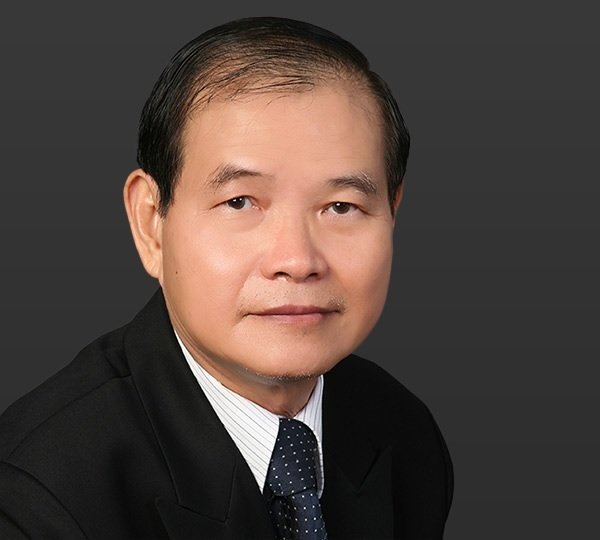
澳洲国立大学奖学金得主博士。曾在新加坡南洋理工大学任教20年,也曾任巴黎大学访问教授、北京大学以及东京大学访问学者、中国贵州财经大学特聘教授、马来西亚南方大学学院人文与社会科学院院长、教授。


