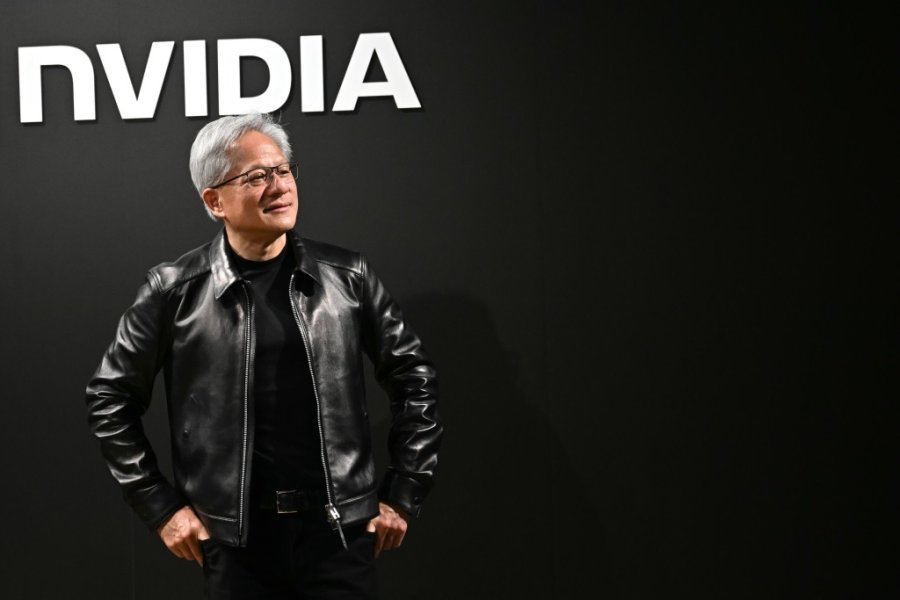
英伟达首席执行员黄仁勋的个人丑闻——涉及与一名据称是中国间谍的女性发生婚外情,以及可能向受制裁方出售英伟达晶片——占据了各大头条新闻,这并不令人意外。
2026年10月底至11月初,以《纽约时报》、英国广播公司(BBC)、美国有线电视新闻网(CNN)和CNBC为首的西方媒体,从原先侧重报导黄仁勋在英伟达的商业成就,转向制造旨在向美国政策制定者施压的新闻与分析,迫使后者针对黄仁勋据称的不当行为所带来的国家安全影响,以及中国在策划这场“美人计”中所扮演的角色展开调查。
关于中国涉入此事的新闻报导,究竟有多独立、严谨和公正?
迄今为止的事态发展
• 相关指控。《纽约时报》最早的报导披露,美国情报官员认为,与黄仁勋并无亲属关系的中国女商人黄乐受中国国家安全部招募,旨在搜集英伟达的情报并影响美国的晶片出口政策。
报导并未提供任何关于爆料官员的具体细节,也未说明这一指控的可信度究竟如何。
• 与Megaspeed的关联。黄乐曾任新加坡云端运算公司Megaspeed的高级管理人员,该公司也是英伟达的主要客户。多年来,美国当局一直在调查Megaspeed,怀疑其协助将受限制的英伟达先进晶片转运给中国企业。
目前,Megaspeed以及众多其他购买英伟达晶片的国际买家均未受到任何正式指控,尽管其中部分买家可能曾将晶片转售至中国市场。
• 公开承认。在2026年11月8日,从最初将自己与黄乐的往来定性为常规商务会面,黄仁勋向员工发送了一份备忘录,承认自己对妻子不忠。
•调查与后续风波。英伟达董事会启动了独立调查,美国联邦调查局也展开了问询。共和党议员威胁要传唤黄仁勋出席国会闭门简报会,英伟达的市值在两个交易日内暴跌超过4300亿美元/1.7兆令吉。
• 政治反应。美国总统特朗普公开为黄仁勋辩护,称他是一个“正派的人”,并表示黄仁勋声称自己完全不知道该女子是间谍;与此同时,《财富》(Fortune)等媒体则质疑黄仁勋对美国人工智能政策的影响力是否已永久终结。北京方面则驳斥了有关间谍活动的报导。
新闻学入门
根据西方标准的新闻职业道德规范(例如美国专业记者协会守则或路透社信任原则),其核心准则包括:
公正与回应权:被报导的对象——无论是个人、企业还是外国政府——都必须获得充分的机会和显著的版面来回应指控。
独立核实:来自政府或情报官员的匿名信源说法,必须经过独立核实,而不能直接作为既定事实加以报导。
背景准确性:报导必须准确区分已证实的违规行为、正在进行的企业审计,以及未经证实的情报断言。
在关于黄仁勋及所谓中国间谍事件的报导与评论中,这些原则究竟得到了怎样的遵守?
当新闻机构将官方反驳置于文章末尾,或者只在标题中突出最具煽动性的指控时,新闻公正与独立性所要求的平衡便遭到了破坏。虽然国家层面的否认并不能自动推翻调查发现,但将外国政府的回应视为天然比国内情报泄密更不具新闻价值,恰恰反映出国际新闻报导中系统性的意识形态偏见。
西方媒体在报导伊始本应放在显著位置的,是中国官方针对黄乐的间谍指控,以及针对其所在公司向中国非法走私英伟达晶片说法的明确且断然的否认。
中国外交部否认黄乐是针对黄仁勋的间谍。
外交部发言人郭嘉昆将这些报导形容为“纯属无中生有”和“完全是对中国的抹黑”。他还将作为报导依据的情报报告定性为“毫无根据的臆测”。
北京方面在回应中同样突出强调,这些指控旨在损害中国的国际声誉,而非出于正当的国家安全关切。
中国对晶片走私指控的回应
对黄乐所在的Megaspeed国际公司涉嫌将受限的英伟达人工智能晶片非法转运至中国大陆的指控,中国方面同样否认存在任何不当行为。
郭嘉昆表示,有关这家总部位于新加坡的公司向中国走私晶片的指控,“去年就已经过彻底调查并被证伪”。这一回应与英伟达的立场一致。英伟达曾表示,Megaspeed只是普通客户,所谓的走私指控此前已经过调查并被驳斥,且没有任何证据表明其晶片被非法走私到中国。
总而言之,中国的官方立场是彻底驳斥这两种叙事,将其定性为毫无根据且出于政治动机的抹黑。
西方媒体涉华报导的新闻学入门
在报导此事的西方媒体中,《纽约时报》及其他西方媒体的报导策略呈现出几个清晰的核心维度。
1. 框架选择:煽情间谍叙事vs.商业现实
冷战套路:《纽约时报》选择将“美人计”和间谍角度置于报导的核心位置——将重心放在未经证实的外国特工叙事上,而非贸易合规机制。透过围绕国家支持的渗透来建构一桩企业丑闻的报导框架,这一故事便顺理成章地契合了预先设定的国家安全惊悚片叙事。
灰色市场被过度简化:多层次的半导体分销管道经常出现晶片透过灰色市场中间商(例如新加坡或东南亚的第三方转售商)流入未授权地区的情况。在美国单边出口管制下,转运物流是一个系统性的行业难题,然而将这些贸易流向定性为秘密的中国情报行动,却把商业规避手段与直接的国家颠覆行为混为一谈。
2. 讯息源归属与权重的不对等
将情报泄密视为无争议的事实:《纽约时报》报导的主要依据高度依赖匿名的美国情报和国务院官员。在实践中,西方调查新闻惯常将匿名的美国国家安全说法视为近乎事实的前提,却对被指控政府的反驳附加上重重免责声明和质疑。
边缘化官方否认:虽然《纽约时报》用一两句话提及了中国外交部的回应,但其行文框架从本质上削弱了这些回应的可信度。来自北京的回应被呈现为政治宣传,而非对未经证实情报指控的实质性反驳。
3. 迎合华盛顿的外交政策共识
两党对华科技鹰派共识:美国针对中国人工智能发展的政策已经固化为旨在遏制的跨党派统一立场。透过大肆渲染引人注目的安全恐慌,主流媒体的报导强化了要求收紧出口管制、实施激进企业审计以及向黄仁勋等美国科技高管施加政治压力的政策论点。其中也夹杂著种族主义的暗流。
结论
当新闻报导重点突出推测性的情报说法,同时将外国政府的反驳塑造成天然具有欺骗性时,这种报导方式便损害了新闻的中立性与公信力。这种做法加剧了外界的这样一种认知:西方媒体将地缘政治叙事的煽情效果置于客观、平衡的报导之上。
这也侵蚀了公众对媒体客观报导中国能力的信任,因为新闻机构看起来就像是美国和西方反华叙事的被动传声筒或宣传管道。
林德宜《揭开西方媒体对中国间谍事件反应》原文:Exposing Western Media Response to the Latest China Spy Story
It is not a surprise that the story of Jensen Huang and his personal scandal involving an extramarital affair with an alleged Chinese spy and the possible sale of sanctioned Nvidia chips has hogged the headline news.
In late October and early November 2026, Western outlets—led by The New York Times, BBC, CNN and CNBC—shifted from profiling Huang's Nvidia business success to generating news and analysis aimed at pressing American policy makers to prepare what they hope to be an investigation into the national security implications of Huang’s alleged wrongdoing and China's role in masterminding his sexual entrapment.
How independent, rigorous and fair has been the news reporting on China’s involvement?
Developments To Date
• The Allegations. The earliest NYT report revealed that U.S. intelligence officials believed Alice Huang (also known as Huang Le), a Chinese businesswoman with no familial relation to Jensen Huang, was recruited by China's Ministry of State Security to gather intelligence on Nvidia and influence U.S. chip export policies.
No details were provided of the officials providing the information or how credible this allegation was.
• The Megaspeed Connection. Alice Huang was a senior executive at Megaspeed, a Singapore-based cloud company and major Nvidia customer. U.S. authorities have been investigating Megaspeed for several years over suspicions that it helped divert restricted, advanced Nvidia chips to Chinese companies.
No charge has been brought against Megaspeed and the numerous other international buyers of Nvidia chips, some of whom may have engaged in reselling the chips to the China market.
• Public Admission. On November 8, 2026, after initially characterizing his interactions with Alice Huang as routine business meetings, Jensen Huang sent a memo to staff admitting he had been unfaithful to his wife.
• Investigations and Fallout. Nvidia’s board launched an independent probe while the FBI opened its own inquiry. Republican lawmakers threatened to subpoena Huang for a closed-door congressional briefing, and Nvidia's market value plunged by over $430 billion across two trading days.
• Political Reaction. U.S. President Donald Trump publicly defended Huang as an "honourable guy" who claimed he had no idea the woman was a spy, even as outlets like Fortune questioned whether Huang's influence over U.S. AI policy had permanently ended. Beijing dismissed the espionage reports.
Journalism 101
Under standard Western journalistic codes (such as those of the Society of Professional Journalists or Reuters Trust Principles), key tenets include:
Fairness and Right of Reply: Target entities—whether individuals, corporations, or foreign governments—must be given adequate opportunity and prominence to respond to allegations.
Independent Verification: Unnamed source claims from government or intelligence officials must be independently verified rather than reported as established fact.
Contextual Accuracy: Reporting must accurately distinguish between confirmed regulatory breaches, ongoing corporate audits, and unproven intelligence assertions.
How have these principles been adhered to in the reporting and coverage of the Jensen Huang and alleged China spy story?
When news organizations relegate official rebuttals to the bottom of an article or headline only the most provocative claim, the balance required by journalistic fairness and independence is compromised. While state denials do not automatically disprove investigative findings, treating foreign state responses as inherently less reportable than domestic intelligence leaks reflects systemic ideological bias in international news reporting.
What should have been prominent at the beginning of the Western reporting should have been the official and categorical denial by China of both the espionage allegations concerning Alice Huang and the claims that her company illegally smuggled Nvidia chips into China.
China’s Ministry of Foreign Affairs (MFA) denied that Alice Huang was a spy targeting Nvidia CEO Jensen Huang.
MFA Spokesperson Guo Jiakun described the reports as “pure fabrication out of thin air” and “nothing but a smear against China.” He also characterized the underlying intelligence report as “groundless speculation.”
Prominent in Beijing’s response too is that the allegations are part of an attempt to smear China’s international reputation rather than a legitimate national security concern.
China Response to the Chip Smuggling Allegation
Regarding the accusation that Alice Huang’s company, Megaspeed International, was involved in illegally diverting restricted Nvidia AI chips to mainland China, China has also denied any wrongdoing.
Guo Jiakun stated that allegations the Singapore-based company was smuggling chips to China “were thoroughly investigated and debunked last year.” This response aligns with Nvidia’s own position. The chipmaker has stated that Megaspeed was an ordinary customer, that the smuggling claims were previously investigated and refuted, and that there is no evidence its chips have been illegally smuggled into China.
In summary, China’s official stance is a complete rejection of both narratives, framing them as unsubstantiated and politically motivated smears.
Western Media China Reporting Journalism 101
Amongst Western media covering this story, the key dimensions of the NYT and other western media coverage strategy is clear.
1. Frame Selection: Sensationalist Espionage vs. Commercial Realities
Cold War Tropes: The NYT chose to centerpiece the "honey-trap" and espionage angle in its reporting—focusing heavily on an unproven foreign asset narrative over trade-compliance mechanics. By framing a corporate scandal around state-sponsored infiltration, the story fits comfortably into a pre-existing national security thriller narrative.
Gray Markets Oversimplified: Multi-tiered semiconductor distribution channels frequently see chips leak into unauthorized regions via grey-market intermediaries (such as third-party resellers in Singapore or Southeast Asia). Transshipment logistics are a systemic industry challenge under unilateral U.S. export controls, yet framing these trade flows as a covert Chinese intelligence effort conflates commercial workarounds with direct state subversion.
2. Asymmetric Attribution and Weighting of Sources
Intelligence Leaks as Uncontested Fact: The primary anchors of the NYT reporting rely heavily on unnamed U.S. intelligence and state department officials. In practice, Western investigative journalism routinely treats anonymous U.S. national security claims as near-factual premises while placing heavy disclaimers on rebuttals from target governments.
Relegation of Official Denials: While the NYT included a one or two line mention of Chinese Foreign Ministry responses, the framing inherently undercut their validity. Responses from Beijing were presented as propaganda rather than substantive rebuttals to unverified intelligence claims.
3. Alignment with Washington’s Foreign Policy Consensus
Bipartisan Tech Hawk Alignment: U.S. policy toward Chinese AI development has hardened into a unified bipartisan position aimed at containment. By leaning heavily into high-profile security panics, mainstream reporting reinforces policy arguments for tighter export controls, aggressive corporate auditing, and political pressure on American tech executives like Huang. A racist undertone is also in play.
Conclusion
When stories highlight speculative intelligence claims while framing foreign government pushback as inherently deceptive, the coverage compromises journalistic neutrality and credibility. This dynamic feeds the perception that Western outlets prioritize geopolitical narrative sensationalism over objective, balanced reporting.
This also erodes public trust in the media’s ability to cover China objectively, as news organizations appear to operate as passive amplification or propaganda channels for U.S. and Western anti China narratives.
本文观点,不代表《东方日报》立场。

公共政策分析学者


