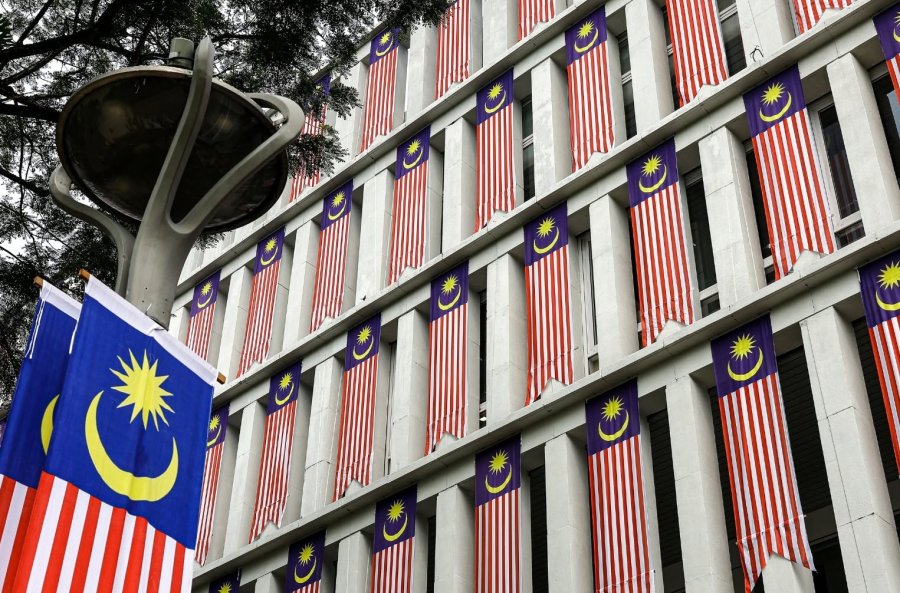
试想像,一个孩子在学校上完《国家原则》的课程后回到家。她学会了互相尊重、以礼待人,以及如何与不同背景的朋友和平共处。或许,她还在课堂上画了一幅图画,画中不同族群的孩子手牵著手,站在马来西亚国旗下。然而,当天晚上,她拿起父母的手机,却看见截然不同的景象。成年人因为种族和宗教问题互相辱骂,政治人物相互指责,甚至有人质疑其他马来西亚人是否真正属于这个国家。
这个孩子究竟应该相信什么?是学校教导她的道理,还是那些理应领导国家的成年人所展现的行为?
最近,我在国会参与国家团结部财政拨款辩论时,脑海中一直浮现这样的矛盾。我在辩论中提出的课题,包括“多元中的和谐计划”(Program Keharmonian dalam Kepelbagaian)的成效、团结幼儿园(Tabiya Perpaduan)的角色,以及国家团结部的发展开支。这些听起来或许只是例常的财政预算课题,但我认为,政府有必要进行更深入的检讨。过去几十年来,马来西亚通过各种计划推动国民团结,但种族与宗教仇恨言论依然拥有不少支持者,尤其是在网络世界。我们是否应该开始认真思考,现有的推动团结方式,是否需要改变?
多年来,我出席过无数社区活动,也深知促进不同群体交流的重要性。无论是节庆活动、邻里聚会或文化交流,都让马来西亚人有机会走出原有的社交圈子,接触不同背景的人。在一个人们可能长期生活于相同语言、文化及思想圈子的社会,这些交流确实具有意义。然而,我更关心的是,活动结束之后,究竟留下了什么?参与者是否因此更了解原本陌生的社群?这些活动是否真正接触到对其他族群抱有偏见的人,还是我们一直在邀请那些原本就能够和睦相处的马来西亚人参与?
这些都是国家团结部必须回答的问题。公共开支不能只靠出席人数和活动照片来证明成效,而必须有具体、有效的评估。否则,我们很容易把举办活动误当成取得成果。
我也特别关注团结幼儿园,因为幼儿教育在塑造下一代如何理解族群差异方面,扮演著重要角色。孩子天生充满好奇心。他们会询问不同族群的食物、语言、节庆及宗教习俗,而且往往不会像成年人一样,带著既定的偏见看待这些差异。
然而,孩子成长的环境正在迅速改变。他们可能在学校学习欣赏不同文化,回到家却听见带有种族刻板印象的言论,或者在网络上接触煽动性内容。等到孩子进入青春期,社交媒体的影响力,可能早已超越课本所传授的知识。
这正是政治领袖必须承担部分责任的地方。社交媒体平台当然有责任处理有害内容,但马来西亚的种族焦虑并不是社交媒体创造出来的。这些问题存在了好几代人,而某些政治人物甚至发现,利用种族情绪能够为自己带来政治利益。一句涉及种族或宗教的挑衅性言论,就足以主导数天的公共讨论。它能够吸引关注、动员支持者,同时转移人民对薪资、教育、房屋及经济机会等更棘手问题的注意力。当愤怒能够换取流量与支持,那些从中获益的人,自然缺乏改变的动力。
因此,我真正担忧的,是我们似乎始终缺乏持续而坚定的政治决心,正视这个问题。我国并不缺乏法律和执法机构,但如果煽动性言论会因为发表者的政治身份不同,而受到不同标准的对待,单靠执法绝对无法解决问题。政治领袖不能一方面要求政治对手承担责任,另一方面却不断为自己的盟友寻找借口。
这份责任同样包括我所属的政党。如果我们希望人民认真看待我们对团结的承诺,就必须确保同一套标准公平适用于所有人。
当然,我们也必须谨慎,不能把意见分歧与仇恨混为一谈。马来西亚人应该有自由讨论扶助政策、宗教政策、政府决策,以及影响各自社群的公共课题。即使这些讨论令人感到不舒服,它们依然是民主社会中合理而必要的对话。
但是,蓄意散播虚假信息,或者煽动社会仇视整个族群,则完全是另一回事。两者之间的界线必须清楚,尤其当政府考虑如何监管网络言论时,更应该如此。我们需要透明、适度及公平的执法,在保护人民免受真正伤害的同时,也不能让“国家团结”成为打压批评声音的借口。
此外,我认为还有一个经常被忽略的问题,那就是经济不安全感与社会分裂之间的关系。当人民觉得机会越来越少、孩子面对更多困难,或者自己的生计越来越没有保障时,就更容易被说服,相信另一个族群必须为他们的困境负责。
政治捷径
一名难以找到理想工作的大学毕业生,不会因为仇视其他族群而获得就业机会。一名遭裁员、担忧如何养家糊口的工人,也不会因为责怪其他族群,就能够解决眼前的生活压力。他们真正需要的是更好的教育、更充足的就业机会、公平的政策,以及一个能够让努力获得合理回报的经济环境。把问题归咎于种族,无法提供任何解决方案,却往往成为最方便的政治捷径。
正因如此,国家团结部不能单打独斗。推动团结的工作,必须与其他部门在教育、就业、社区发展及数码素养方面的政策相互配合。否则,我们只是在处理社会互不信任的表面症状,却没有真正解决让这些问题不断滋长的根源。
我希望政府能够更诚实地评估各项团结计划的实际成果,在虚假信息广泛传播之前加强应对,并且更积极地与年轻一代交流。毕竟,越来越多年轻人是通过手机,而不是传统媒体,认识公共事务及参与社会讨论。更重要的是,我希望政治领袖明白,我们所说的每一句话,其影响都可能远远超越下一场选举。
有时候,我会思考,为什么孩子与成年人面对同样的事情,却会有如此不同的反应?一个孩子看见同学带来自己不熟悉的食物,可能会好奇地问:“这是什么?”但一个成年人看见同样的差异,却可能早已对它抱有某种成见。不知道从什么时候开始,好奇变成了猜疑。而令人遗憾的是,政治往往不但没有纠正这种转变,反而进一步强化了它。
这让我再次想起那个手里拿著《国家原则》图画的孩子。她在学校学会了“礼貌与道德”,但真正让她理解这些原则的,不只是课堂上的教导,而是当成年人意见不同时,如何对待彼此。
国家团结部肩负著重要责任,国会也必须持续监督该部门的计划与开支,确保公共资源真正发挥作用。然而,如果政治领袖连自己的言论都不愿负责,再多的政府部门、再多的团结计划,也无法弥补他们所造成的伤害。我们可以在课堂上教导孩子团结的原则。但更困难、也更值得深思的问题是:那些正在领导这个国家的成年人,是否愿意以身作则,真正实践这些原则?
瑟丽娜《我们教导孩子团结,谁来教导大人?》原文:We Teach Our Children Unity. Who Is Teaching the Adults?
Imagine a child coming home from school after a lesson about the Rukun Negara. She has learnt about mutual respect, good behaviour and living peacefully with friends of different backgrounds. Perhaps she has even coloured a picture of children holding hands beneath the Malaysian flag.
Later that evening, she picks up her parent's phone and sees something entirely different. Adults are insulting one another over race and religion. Politicians are trading accusations, while strangers are questioning whether fellow Malaysians truly belong in this country.
What is that child supposed to believe? The lesson she learnt in school, or the behaviour she sees from the adults supposedly leading the nation?
This contradiction was on my mind recently when I debated the Ministry of National Unity's allocations in Parliament. Among the matters I raised were the effectiveness of Program Keharmonian dalam Kepelbagaian, the role of Tabika Perpaduan and the Ministry's development expenditure.
These may sound like routine budget matters, but I believe they deserve closer scrutiny. We have spent decades promoting national unity through various initiatives, yet racial and religious hostility continues to find an enthusiastic audience, particularly online. At what point do we begin asking whether our approach needs to change?
Having attended countless community programmes over the years, I appreciate the value of bringing people together. Festivals, neighbourhood gatherings and cultural exchanges allow Malaysians to meet beyond their usual circles. These interactions matter, particularly in a society where people can spend much of their lives surrounded by others who look, speak and think like them. However, I am interested in what happens after these programmes end. Do participants leave with a better understanding of communities they previously knew little about? Are we reaching those who harbour genuine prejudices, or are we repeatedly bringing together Malaysians who already get along?
These are questions the Ministry should be able to answer. Public expenditure must be accompanied by meaningful evaluation, not merely attendance figures and photographs. Otherwise, we risk confusing activity with achievement.
I also raised Tabika Perpaduan because early childhood education plays an important role in shaping how Malaysians understand differences. Children are naturally curious. They ask questions about food, language, festivals and religious practices, often without the suspicion that adults bring into such conversations.
Yet the environment surrounding them is changing rapidly. A child may learn to appreciate different cultures at school, only to encounter racial stereotypes at home or inflammatory content online. By the time that child reaches adolescence, social media may have become a far more influential teacher than anything printed in a textbook.
And this is where our political leadership must accept some responsibility.
Social media platforms certainly have a role in addressing harmful content, but they did not invent Malaysia's racial anxieties. Those anxieties have existed for generations, and politicians have sometimes found them useful.
A provocative statement about race or religion can dominate public discussion for days. It attracts attention, energises supporters and distracts from more difficult questions about wages, education, housing and economic opportunities. In an environment where outrage generates engagement, there is little incentive for those benefiting from it to change their behaviour.
This is why I am concerned about the apparent lack of sustained political will to confront the problem.
We have laws and institutions, but enforcement alone cannot resolve a culture in which inflammatory rhetoric is treated differently depending on who delivers it. Political leaders cannot demand accountability from their opponents while making excuses for their own allies.
I include my own political party in that responsibility. If we expect Malaysians to take our commitment seriously, the standards must apply equally to everyone.
Of course, we must be careful not to confuse disagreement with hatred. Malaysians should be free to question affirmative action, discuss religious policies, criticise government decisions and debate matters affecting their communities. These are legitimate conversations in a democracy, even when they make people uncomfortable.
But deliberately spreading falsehoods or encouraging hostility towards an entire community is something else. The distinction matters, particularly when governments are considering how to regulate online speech. We need transparent and proportionate enforcement that protects people from genuine harm without turning national unity into an excuse to suppress criticism.
There is another aspect of this debate that I believe deserves greater attention: the relationship between economic insecurity and social division.
When people feel that opportunities are shrinking, that their children are struggling or that their livelihoods are becoming less secure, it becomes easier to convince them that another community is responsible.
A young graduate struggling to find meaningful employment does not benefit from being told to resent another race. Neither does a retrenched worker worried about supporting his family. Their problems require better education, stronger employment opportunities, fair policies and an economy that rewards effort. Racial blame offers none of these solutions, but it remains an attractive political shortcut.
This is precisely why the Ministry of National Unity cannot operate in isolation. Its work must complement what other ministries are doing in education, employment, community development and digital literacy. Otherwise, we address the symptoms of mistrust without confronting the conditions that allow it to flourish.
I would like to see more honest assessments of what our programmes have achieved, stronger efforts to counter misinformation before it spreads, and greater engagement with young Malaysians who increasingly experience public debate through their phones rather than traditional media.
Most importantly, I want political leaders to recognise that the language we use has consequences beyond the next election.
Sometimes, I think about how differently children and adults approach the same situation. A child sees a classmate bringing unfamiliar food to school and asks, “What's that?”
An adult sees the same difference and may already have an opinion about what it represents.
Somewhere along the way, curiosity becomes suspicion. And too often, politics reinforces that transformation rather than challenging it.
I return to the image of the child holding her Rukun Negara drawing. She has been taught the words Kesopanan dan Kesusilaan, but the real lesson will come from watching how the adults around her behave when they disagree.
The Ministry of National Unity has an important responsibility, and Parliament must continue examining whether its programmes and spending are delivering results.
But no ministry can compensate for political leaders who refuse to take responsibility for their own words.
We can teach children the principles of unity in a classroom. The harder question is whether the adults running this country are prepared to live by them.
本文观点,不代表《东方日报》立场。

升旗山国会议员。


